

Managing construction draws in-house costs banks and credit unions far more than salaries alone, from limited staff capacity and key-person risk to slower funding and greater exposure to defaults. Outsourcing to specialists like CoFi Blueprint cuts costs, reduces risk, and funds builders faster.
The headcount ceiling nobody budgets for
Ask a bank what it costs to manage construction draws, and you’ll usually get a shrug. There’s no line item for it. The cost gets absorbed into salaries and buried under overhead, so nobody questions it until the portfolio outgrows the team and scale becomes unmanageable—increasing error and risk.
Manual draw review doesn’t scale with loan volume. It scales with headcount, and that ceiling is lower and pricier than most institutions plan for.
- One administrator on a manual workflow tops out around 60 active loans, on a digitized platform that same administrator can handle 130–190 (source).
- A construction-lending specialist’s base salary runs $60,000 to $82,000 nationally.
- Fully loaded with taxes, benefits, and overhead, that seat costs closer to $107,000 a year—nearly 50% higher than the number in the budget conversation.
That gap between manual and digitized capacity is the difference between hiring your way through growth and actually growing.
The one-person point of failure
Manual draw management concentrates the whole program in one person’s head. Ask most institutions who actually understands the custom spreadsheet, who knows every builder’s quirks, who the field calls when a draw doesn’t add up. Usually it’s one person, maybe two.
That person retires or takes another job, and the institution is left holding a portfolio nobody else understands, on a spreadsheet nobody else can maintain. Outsourcing to specialists removes that risk—the expertise lives in a team and a system, not one person’s head—and frees loan officers to originate loans instead of babysitting a spreadsheet.
Time is money sitting in queue
Manual draw review runs 5–10 business days, a digitized process cuts that to under 3. Every extra day is a day the borrower isn’t building, there is more risk mounting in the background. And delays cascade, pushing the next inspection and the next draw right along with them.
A $2 million draw sitting in queue for a week at 8% interest costs roughly $3,080 in carry alone. Multiply that across a portfolio of active loans, add the labor hours spent chasing paperwork, and the number stops being a rounding error. And, a draw inspection runs $75 to $150 for a typical residential project. A missed inspection window means rescheduling. A stale appraisal means reordering. A draw that drags on long enough to need a fresh title update means paying twice for the same thing.
CoFi Blueprint’s average draw is approved the same day it’s submitted, regardless of when the request came in. That’s the difference between a builder waiting a week and getting approved for funding in hours.
What a mistake actually costs
- A 2022 McKinsey study of large capital projects worth $100 million or more found average cost overruns of at least 79%. That’s a scale well beyond a typical residential construction loan, but the pattern holds regardless of size—once a project falls behind costs compound.
- FDIC research found that increasing inspections from 2 to 3 per 100 days cut default probability by 72%.
- Commercial real estate delinquency, which includes construction lending, sat at 1.58% as of Q4 2025.
A stalled draw isn’t just the borrower’s problem—it’s rising risk, shrinking collateral value, and a loan file that won’t hold up when someone asks hard questions.
One credit union running 120 draws a month through CoFi Blueprint posted zero foreclosures the following year. Risk reduction at that scale is often worth more than the entire cost of the program.
It’s bigger than the bank
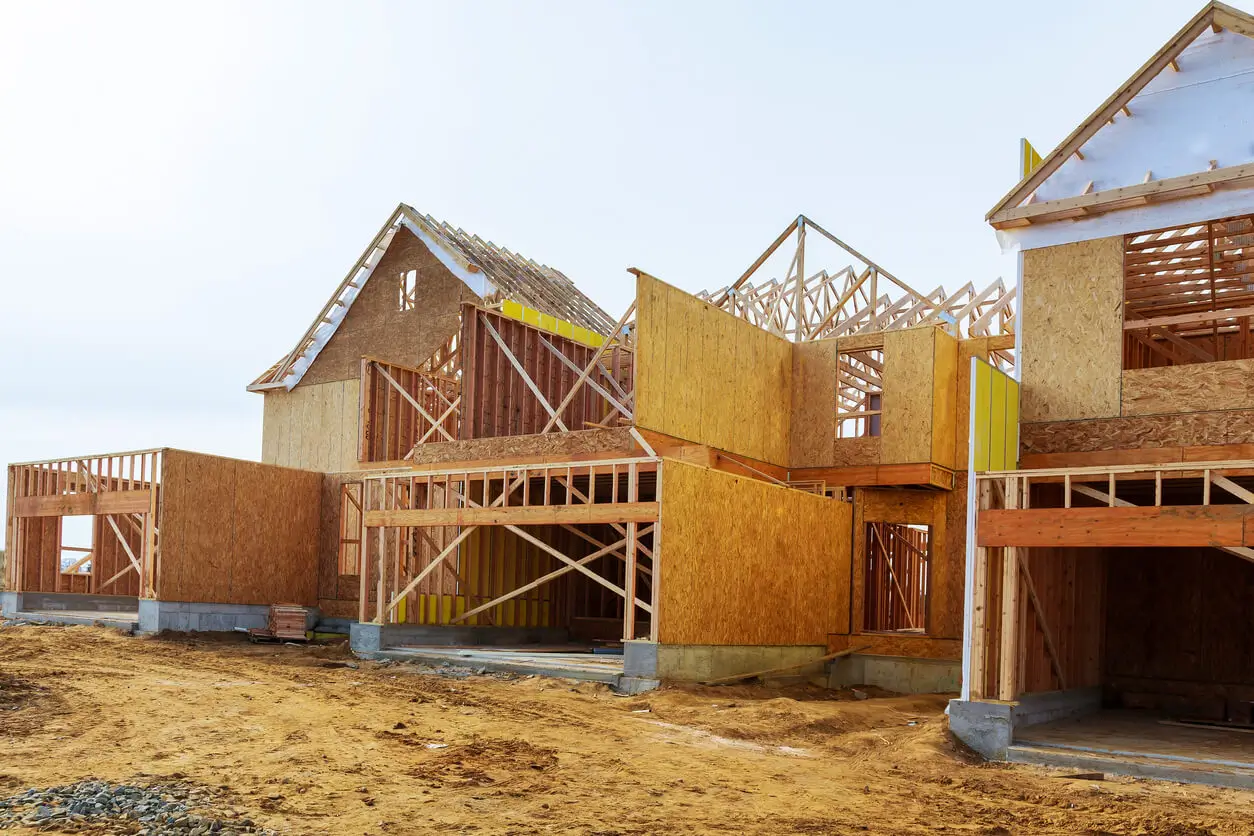
A stalled project isn’t only an internal problem. It’s a half-built house where a family was supposed to move in, subcontractors who don’t get paid and pull off the job, a builder who can’t start the next project because capital is locked up in one that’s stuck.
Financial institutions are stewards of their members’ money. That’s the job, supporting the communities you serve. Consistent, well-supported draws mean builders finish on schedule, take on the next project, and keep crews employed. New homes get built, families move in, and the institution picks up new mortgages and new members along the way. A stalled draw runs the opposite direction: fewer homes, fewer jobs, fewer families served. Supporting builders and growing the bank’s own portfolio are the same work.
The actual choice
None of this means banks and credit unions did anything wrong by managing draws in-house—for a long time, that was simply how it worked. But portfolios have grown, and the tools available now make the old ceiling optional instead of fixed. The institutions moving fastest are pairing real technology with people who understand construction lending, so risk gets caught earlier and draws move without losing control of the process.
That’s the model CoFi Blueprint is built on—software and outsourcing working together, so financial institutions can grow their construction portfolios without the staffing ceiling that’s been quietly capping them for years.
Talk to the Blueprint team about how a fully managed construction lending platform can help your institution grow its construction portfolio with more confidence and less operational risk.