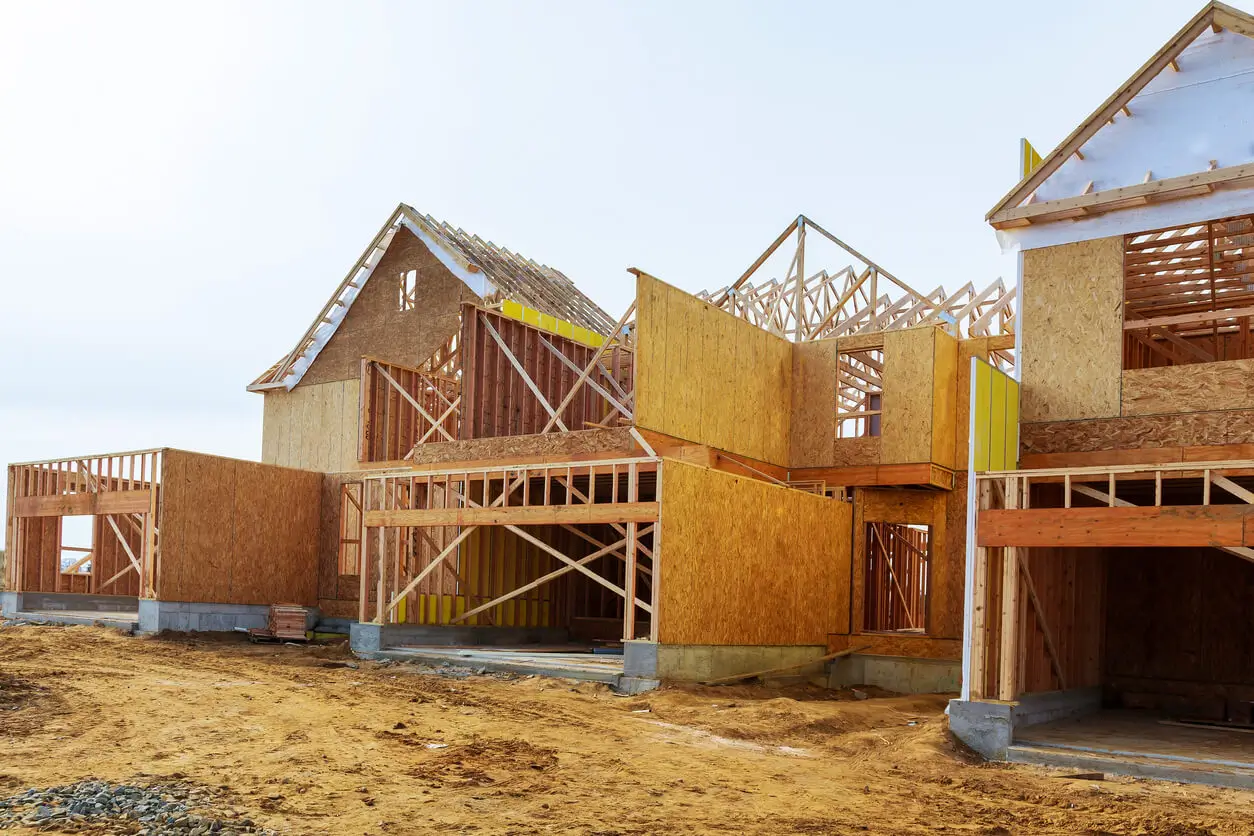


Construction loans carry unique risk because the collateral is unfinished and every draw creates new exposure. This article explains how banks and credit unions can improve visibility, strengthen draw controls, and reduce construction portfolio risk by partnering with fully managed software.
Real returns are predicated on experience
Construction lending can be one of the most valuable lines of business for a bank or credit union. It supports local builders, creates housing, deepens borrower relationships, and generates repeat lending opportunities. It is also one of the easiest portfolios to mismanage because the loans are high, collateral is unfinished, the budget is moving, and every draw changes the lender’s position.
That risk is showing up in current data. The FDIC’s 2025 Risk Review reported $484.1 billion in acquisition, development, and construction loans at year-end 2024, equal to 15% of the commercial real estate portfolio. In the FDIC’s Q1 2025 Quarterly Banking Profile, construction and development loans accounted for the largest portion of the annual increase in net charge-off volume, up $52 million, while the C&D net charge-off ratio rose 13 basis points year over year to 0.13%.
For banks and credit unions, the difficulty simply comes down to manpower, visibility, and construction experience. A construction portfolio is a moving target with common pitfalls like draws approved ahead of verified progress, thin contingency, late lien waivers, cost-to-complete problems, stalled inspections, weak builder performance, and project timelines that slip before anyone updates the file.
For loan officers, the issue is not whether construction lending is worth doing. It is whether your institution has the ability to manage the loan after closing.
Why construction loans are harder to manage
A stabilized CRE loan is underwritten against an asset that already exists. A construction loan is underwritten against a plan. The lender is relying on the borrower, builder, budget, appraisal, timeline, inspection process, and draw controls to turn that plan into finished collateral.
The current construction environment makes that harder. The OCC’s Fall 2025 Semiannual Risk Perspective noted that acquisition, development, and construction CRE is facing increasing input costs and labor shortages, while residential construction is slowing as homes stay on the market longer and price growth weakens.
For lenders, those pressures show up in familiar ways—budgets get revised, schedules stretch, interest reserves get used faster than expected, builders ask for reallocations, and borrowers need more time or more cash to finish. A project that looked safe at closing can become a problem if the lender does not have a clear view of what is happening between draws.
What loan officers should verify before approval
Construction risk management starts before the first draw. A good file should not only show that the borrower qualifies. It should show that the project can realistically reach completion.
Before approval, loan officers should be able to answer:
- Does the budget match the plans and scope?
- Is the contingency realistic for the project type and market?
- Is the builder qualified for this size and complexity of project?
- Is the as-completed value supported by current, relevant comps?
- Does the borrower have enough liquidity outside the loan?
- Is the timeline realistic given permits, labor, weather, and material availability?
- Is there a clear exit through sale, refinance, or takeout financing?
- Are there concentrations by builder, geography, product type, or borrower relationship?
The FDIC’s 2025 Construction and Land Development examination module points to many of these same controls, including feasibility analysis, borrower equity, interest-reserve standards, takeout commitments, disbursement controls, inspections, lien waivers, and curtailments when projections are not met.
The practical takeaway is that lenders shouldn’t treat project feasibility as a box to check. Treat it as the first line of defense.
What to watch before every draw
The draw process is where construction loans become risky or stay controlled. A complete draw package is not the same thing as a healthy project. Before funds move, the question should be: does verified progress justify this advance, and is there still enough money to finish?
A safer draw review should confirm:
- Work completed matches the draw request.
- Inspection results support the requested funds.
- Lien waivers are current and complete.
- Budget line items are not being depleted too early.
- Change orders are documented and understood.
- Remaining funds are sufficient for remaining work.
- The project remains on schedule or has a credible recovery plan.
- Exceptions are documented and escalated when they repeat.
The OCC’s Commercial Real Estate Lending handbook says construction risk management should include disbursement controls confirming that draws are commensurate with verified improvements and that the budget remains in balance with enough funds to complete the project.
Most draw problems are not dramatic at first. They look like small exceptions. The risk comes when those exceptions are reviewed in isolation instead of as part of the project’s overall health.
What managers need to see across the portfolio
A single construction loan can be managed manually. A portfolio cannot be managed well through email, spreadsheets, PDFs, and disconnected inspection reports.
Portfolio managers need real-time answers to practical questions:
- Which projects are behind schedule?
- Which loans are drawing faster than progress supports?
- Which builders have repeated delays or exceptions?
- Which projects are using contingency too early?
- Which borrowers are asking for budget reallocations?
- Which inspections, lien waivers, or approvals are outstanding?
Construction portfolio risk is not just a credit check, it’s an operational visibility issue, and an ongoing investment that takes experience to steer towards completion.
Where CoFi Blueprint fits
CoFi Blueprint helps banks and credit unions manage construction loans through a single, fully managed platform that combines visibility, automation, funds control, inspections, underwriting support, and project monitoring.
For loan officers, Blueprint helps improve the front end of the process by directing attention to stronger loans: better-supported budgets, more qualified builders, clearer documentation, realistic timelines, and projects with a better path to completion.
During the life of the loan, Blueprint helps reduce risk by giving lenders a clearer view of draws, inspections, lien documentation, budget movement, project status, and exceptions. Instead of chasing updates across multiple systems, loan officers can work from one managed workflow with the controls needed to keep funds aligned with verified progress, and have the support of a human team with real construction expertise.
That benefits the builder as well. Slow or unclear draw processes create cash-flow pressure, delay subs, and can push a viable project off track. A managed draw process helps builders understand what is needed, keeps reviews moving, and improves the odds that the project reaches completion.
The practical takeaway
Construction loans may be among the riskiest assets in a lender’s portfolio because they require ongoing management after closing. The strongest institutions do not rely on approval alone. Instead, they approach each loan based on four main objectives.
- Better loan selection before funding.
- Stronger draw controls before funds move.
- Clearer project visibility during construction.
- Portfolio-level monitoring before patterns become losses.
CoFi Blueprint was built around those disciplines. It gives banks and credit unions one fully managed platform to reduce manual work, improve visibility, strengthen draw oversight, and help builders reach completion.
Talk to the Blueprint team about how a fully managed construction lending platform can help your institution grow its construction portfolio with more confidence and less operational risk.